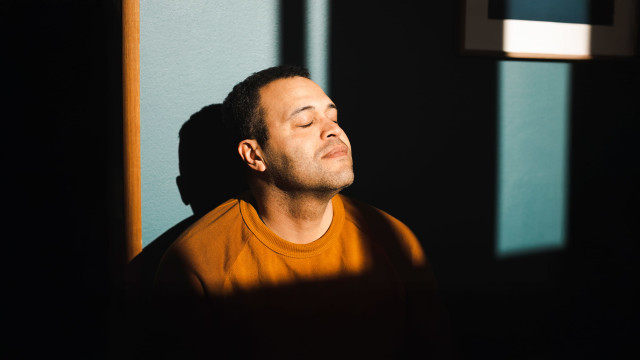
Find Your Natural Energy Source

Feeling energized isn’t just about how much sleep you get or what you eat. Your mood, state of mind, and daily habits can all affect how much energy you feel you have.
We can think of personal energy as coming from four main sources: the body, emotions, mind, and spirit. Each contributes to our overall sense of vitality, though not in quite the same way as the physical energy our bodies get from food.
When you’re running low, a short break may help you feel refreshed. Research suggests that meditation can help reduce fatigue, particularly mental fatigue. Breathwork and mindful movement also offer simple ways to recharge and bring more energy to your day.
Power Boosts and Energy Drains
Energy levels naturally rise and fall throughout the day, and everyone has their own rhythm. Consider whether you’re a night owl, staying up late and dreading early mornings, or an early bird who likes to follow the rhythms of the sun.
These patterns are partly shaped by our circadian rhythms, the body’s internal clock that helps regulate when we feel alert or sleepy. Light plays an important role. As daylight fades, the brain typically increases its production of melatonin, a hormone that helps prepare the body for sleep.
Many people experience a dip in alertness during the afternoon. If you’re feeling tired, a short rest or nap may help. In a 2023 randomized trial, naps of 10 to 60 minutes improved mood and reduced sleepiness in young adults following a night of shortened sleep.
But a cat nap isn’t the only way to feel refreshed. You can also try a few minutes of breathing or meditation.
“You can wake up with a few deep breaths,” says mindfulness coach Jay Vidyarthi.
Pro tip: Try this short breathing meditation when you need a moment to recharge.
Our thoughts and emotions can also affect how energized we feel. Negative self-talk, for example, can be mentally draining.
“I used to hate myself as a way to protect myself from anybody hurting me,” says meditation teacher Vimalasara. Through meditation, she teaches people to approach difficult feelings with greater self-compassion.
Sleep plays an important role, too. Without enough rest, it’s harder to feel alert and focused during the day. Sleep supports the body’s restorative processes. And while movement might seem counterintuitive when you’re tired, gentle yoga before bedtime can be a soothing way to unwind through relaxing twists and bends.
Natural Energy Boosters in Meditation, Mindfulness, and Breathwork
Building a consistent wholistic wellbeing practice can help you feel more balanced throughout the day. Meditation and mindfulness offer ways to reconnect with your body and mind, whether you’re looking to feel more alert or settle down after a busy day.
The evidence is promising. A 2024 systematic review and meta-analysis of 29 randomized controlled trials found that meditation practices reduced fatigue, with particularly notable benefits for mental fatigue. The results varied across populations and types of practice, but suggest that meditation may be a useful part of a routine for managing fatigue.
4 Natural Practices for an Energy Boost
1. Take a walk
It’s not necessary to sit in stillness to meditate. In many Buddhist traditions, walking meditation is used to build focus and concentration. Walking itself can also offer a lift. In a 2018 study, researchers found that a 10-minute walk or meditation session reduced feelings of fatigue among young adults.
Try this invigorating mindful walk when you need a break.
2. Moving meditation
Yoga combines movement with attention to the breath, making it another way to connect with your body. In a randomized controlled trial, older adults who practiced yoga reported improvements in several measures of wellbeing, including energy and fatigue.
Even 10 minutes of yoga can “refresh your body and mind with a few rounds of sun salutations,” says Roundglass yoga teacher Leah Cullis-Arvelo.
3. Connect to the source
In meditation, connecting to your source can mean turning your attention inward and finding a sense of steadiness. Rather than searching for energy outside yourself, try noticing your breath and how your body feels in the present moment.
This breath and body awareness practice offers a simple place to start.
4. Breathwork
Breathing exercises can influence how we feel, making them a useful option when we need a break. In a 2023 randomized controlled study, participants who practiced five minutes of structured breathwork daily for one month reported improvements in mood. The strongest results were seen with cyclic sighing, a technique that emphasizes longer exhalations.
Different breathing techniques can have different effects, so it’s worth finding one that feels comfortable for you.
Try this energizing breathwork practice when you want to feel more refreshed.
Creating a Sustainable Natural Energy Practice
Build a “power break” into your day through movement, meditation, or mindfulness. Over time, these short breaks can become healthy habits that help you feel more balanced and refreshed.
“The power of a routine is enormous, it creates a rhythm within, and when done daily, allows for powerful hormones to be secreted that benefit mental health, vitality, awareness and happiness,” says Roundglass wellbeing expert and life coach Leena Gupta.
Taking regular breaks can help you make room for rest during long days. Even when you’re feeling low on energy, a short walk or a few minutes of meditation may help you feel refreshed.
The key is finding practices that work for you and making them part of your routine.
Try this class, Create an Ultra Routine by Roundglass wellbeing expert and life coach Leena Gupta, to experience how breathwork and meditation can help to optimize energy, performance, inspiration and focus.
Key Takeaways:
- Energy comes and goes in a pattern, and every person has their own energy blueprint.
- Building a consistent wholistic energy practice can help you feel more balanced, providing energy when you need a lift, while also calming nerves.
- Generating natural energy helps to refresh both our body and mind.
About the Teacher

Amy Pennington
Amy joins Roundglass as a writer with more than 15 years of experience in print and digital, including Martha Stewart Living, The Seattle Times, and Sunset Magazine. She has six published books, her latest, Tiny Space Gardening, was published in the spring of 2022. Amy is a dedicated meditator, energy worker, and lifelong seeker who has used the power of breath and meditation to alter brain patterns and change her life. She is passionate about sharing this universal and natural ability through her work with RoundGlass.