Yogurt
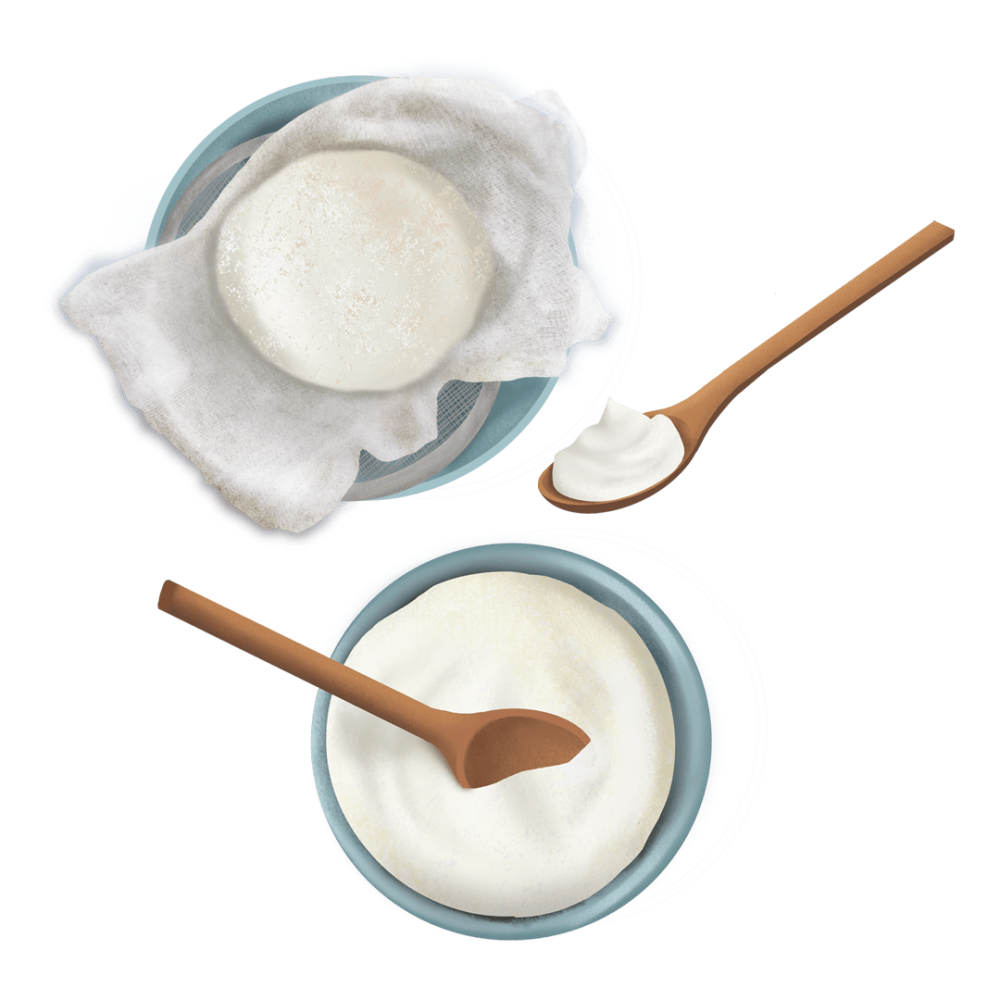
Uses: Fermented dairy, breakfast, drinks, smoothies, dips, marinades
Benefits: Digestion, bone health, muscle support
Humans have been fermenting dairy since at least the Neolithic era as a practical way to preserve highly perishable milk. Creamy and tangy, yogurt is made by fermenting milk with lactic-acid bacteria. These bacteria consume some of the milk’s lactose and produce lactic acid, which causes the milk proteins to set, creating the familiar spoonable texture. Strain away some of the liquid whey and the result becomes denser still, as in Greek-style yogurt and labneh.
Why It’s Good for You
Supports lactose digestion. Live cultures in yogurt help break down some lactose, which is why people who find milk difficult to digest may tolerate yogurt more comfortably.
Supports muscle maintenance. Yogurt provides complete protein with all nine essential amino acids needed to maintain and repair muscle. Strained varieties such as Greek yogurt are especially protein-rich and work well at breakfast, after exercise, or as a substantial snack.
Helps maintain bone tissue. Yogurt provides calcium and protein, nutrients that the body needs to build and maintain bone. Some varieties are also fortified with vitamin D, which helps the body absorb calcium. Eating yogurt regularly can be a practical way to add these nutrients to your diet.
Flavor Profile
Creamy and pleasantly sour, with a flavor that shifts with the type of milk and fat content. Cow’s-milk yogurt tends to be mild, while goat’s- and sheep’s-milk versions can taste richer and more distinctive. Higher-fat yogurt tends to be fuller and creamier, while lower-fat styles taste sharper and leaner.
How to Use It
As a topping or base. Spoon plain yogurt over fruit, granola, muesli, or cooked grains, or pair it with honey, toasted nuts, dried fruit, citrus, cardamom, or cinnamon.
In drinks. Blend yogurt into smoothies or lassi-style drinks with fruit, herbs, spices, or a little salt, depending on whether you want something sweet or savory.
In dips and dressings. Mix yogurt with cucumber, garlic, mint, dill, cilantro, lemon, olive oil, cumin, coriander, or chile. Swap it for some or all the mayonnaise in a creamy dressing. Mix yogurt with herbs and spoon alongside roasted vegetables or meats for a cool, tart contrast. For a thicker dip or spread, strain plain yogurt through cheesecloth or a clean kitchen towel to make labneh, then finish it with olive oil, herbs, or spices.
As a marinade. Combine yogurt with spices, garlic, citrus, or herbs and use it to marinate chicken or other proteins before roasting or grilling. The acidity helps tenderize the protein while the thick texture helps the seasonings adhere.
In baking. Use yogurt in cakes, quick breads, pancakes, and flatbreads to add moisture, tenderness, and a subtle tang.
3 Ways to Add It to Your Wellbeing Routine
For refreshing hot-weather hydration. Whisk yogurt with cold water, a pinch of salt, and herbs or spices for a savory yogurt drink inspired by ayran, doogh, or chaas. It’s refreshing and light, and a good way to make yogurt feel less like a breakfast food.
For a satisfying late-night snack. Top thick yogurt with olive oil, za’atar, chopped cucumber, or toasted seeds and have it with a small piece of flatbread. The combination gives you a protein-rich option that feels more satisfying than grazing on something crunchy or sweet.
For a portioned sweet snack. Freeze spoonfuls of yogurt with berries, chopped nuts, or a swirl of tahini for cold, sweet bites that contribute protein.
Where to Find It and How to Store
Yogurt is widely available in the refrigerated dairy section in individual cups and larger tubs. For the most versatility, choose plain, unsweetened yogurt, and look for “live cultures” on the label. Greek-style and other strained yogurts are thicker and usually higher in protein, while traditional unstrained yogurt is looser and more pourable.
Keep yogurt refrigerated and covered. A little liquid on the surface is usually whey and can simply be stirred back in. Once opened, use clean utensils to help it stay fresh, and discard it if you see mold or notice an unusual smell or appearance.
Did You Know?
The word yogurt comes from the Turkish yoğurt, a term associated with thickening or coagulating. Yogurt belongs to a much wider family of fermented milk foods found around the world, including South Asian dahi, matsoni from the Caucasus, and Central Asian qatiq. These foods are not identical, but their similar tang and texture mean they can often stand in for one another in everyday cooking.


More on Developing Healthy Habits


More on Moving Your Body