Porcini

Latin Name: Boletus edulis
Other Names: cep, king bolete, penny bun
Uses: edible mushroom
What Are Porcini?
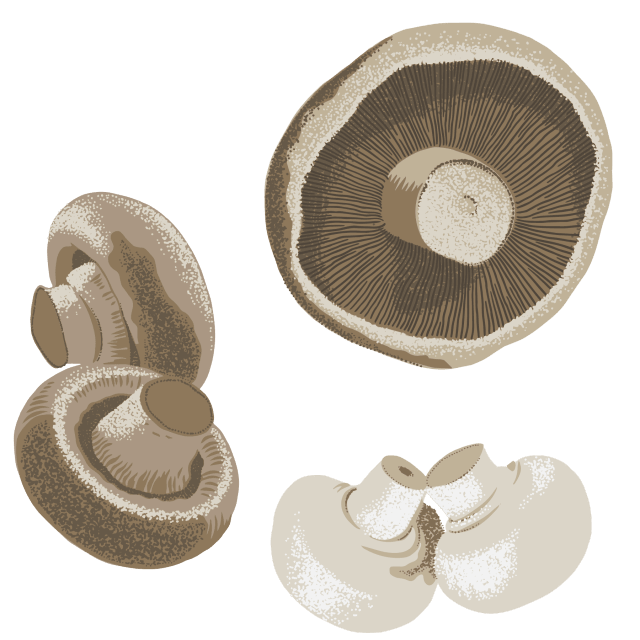
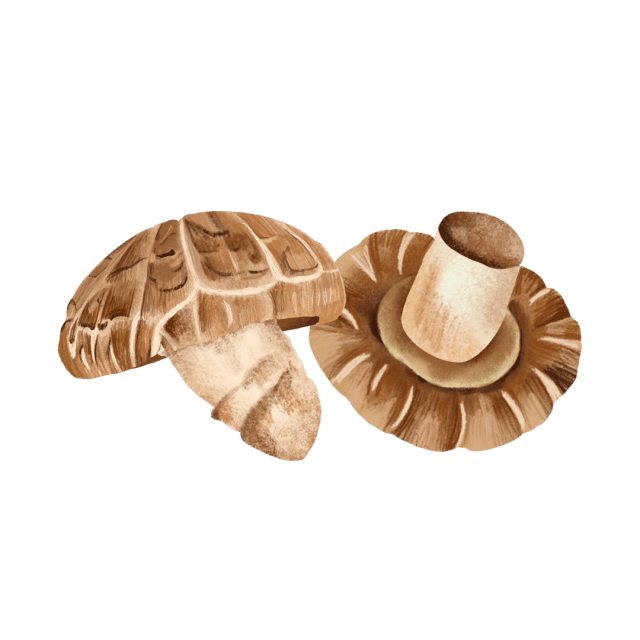
Porcini (singular porcino) are a choice edible mushroom. Pretty much all members of the porcino’s family (Boletaceae) look like a caricature of a mushroom. They have a large, rounded cap and a thick, sometimes stubby stem, which lend them their myriad names—e.g., rodellon (“small, round boulder” in Spanish), eekhoorntjesbrood (“squirrel’s bread” in Dutch), and, most common, porcini (“little pigs” in Italian).
Why Are Porcini Healthy?
- Porcini mushrooms are a good source of protein and dietary fiber, including gut-friendly beta-glucans.
- They are rich in vitamins D and B, along with essential minerals like selenium and potassium.
- A recent study suggests that porcini extracts may help prevent the growth of breast cancer cells.
- They are considered a longevity food due to their high levels of ergothioneine, an antioxidant with anti-inflammatory and anti-cancer properties.
What Do Porcini Taste Like?
Porcini have a rich, nutty, and earthy taste that’s redolent of the pine forests where the mushrooms grow. They have a meaty texture. They can become slimy as they age, so most gourmands prefer younger specimens. As with shiitake mushrooms, the flavor of dried porcini is more intense and the texture meatier.
How Do I Use Porcini?
Fresh porcini can be cooked much like any other mushroom, though their hefty price tag will usually dictate their use—they should ideally be the star of the dish. Unless you’re using them in soups and sauces, you should soak dried porcini in a hot liquid to soften them before using in a recipe. (Save the remaining soaking liquid, as it will be delicious in pastas, risottos, and soups.) If you pick your own porcini, you can pickle or dehydrate them for later use.
What Do Porcini Pair Well With?
In the places that love porcini the most (particularly Italy), they’re often cooked with copious amounts of butter, garlic, and shallots. They’re wonderful in pasta (especially tagliatelle), gnocchi, and risotto, where their meaty texture plays well with the carbs. Porcini are as lovely with a cream sauce as they are with a tomato-based one. If you’re using them as a substitute for red meat, porcini love rosemary, thyme, and black pepper. They also pair well with other umami foods, like Parmesan cheese, truffles, and tomatoes.
Where Do Porcini Grow?
Porcini mushrooms mainly grow in cool, temperate coniferous forests dominated by spruce, fir, hemlock, and pine trees, but they’re also found in beech and oak forests. In Spain, porcini can grow in scrubby shrublands. Whereas some mushrooms grow on decaying wood, porcini are mycorrhizal fungi, which have a symbiotic relationship with their host trees, exchanging nutrients between the mycelia (the “roots” of fungi) and the roots of the living trees. Porcini grow wild throughout Europe and North America.
How Do I Buy Porcini?
Since their season is mostly limited to autumn, you’ll likely have to buy dried porcini. Look for them in better-stocked groceries. You might find dried porcini at specialty or gourmet retailers that supply wild mushrooms or at farmers’ markets with wild mushroom collectors.
Surprising Porcini Fact
Did you know the porcini mushrooms you pick in the supermarket might be fake? In Europe, strict food laws require packaging to list the genus, species, and expiration date to prevent fraud. But counterfeit porcini still slip through, so scientists use DNA barcoding to detect mislabeling and ensure consumers are getting the real deal.