Why Every Child Deserves Wholistic Wellbeing
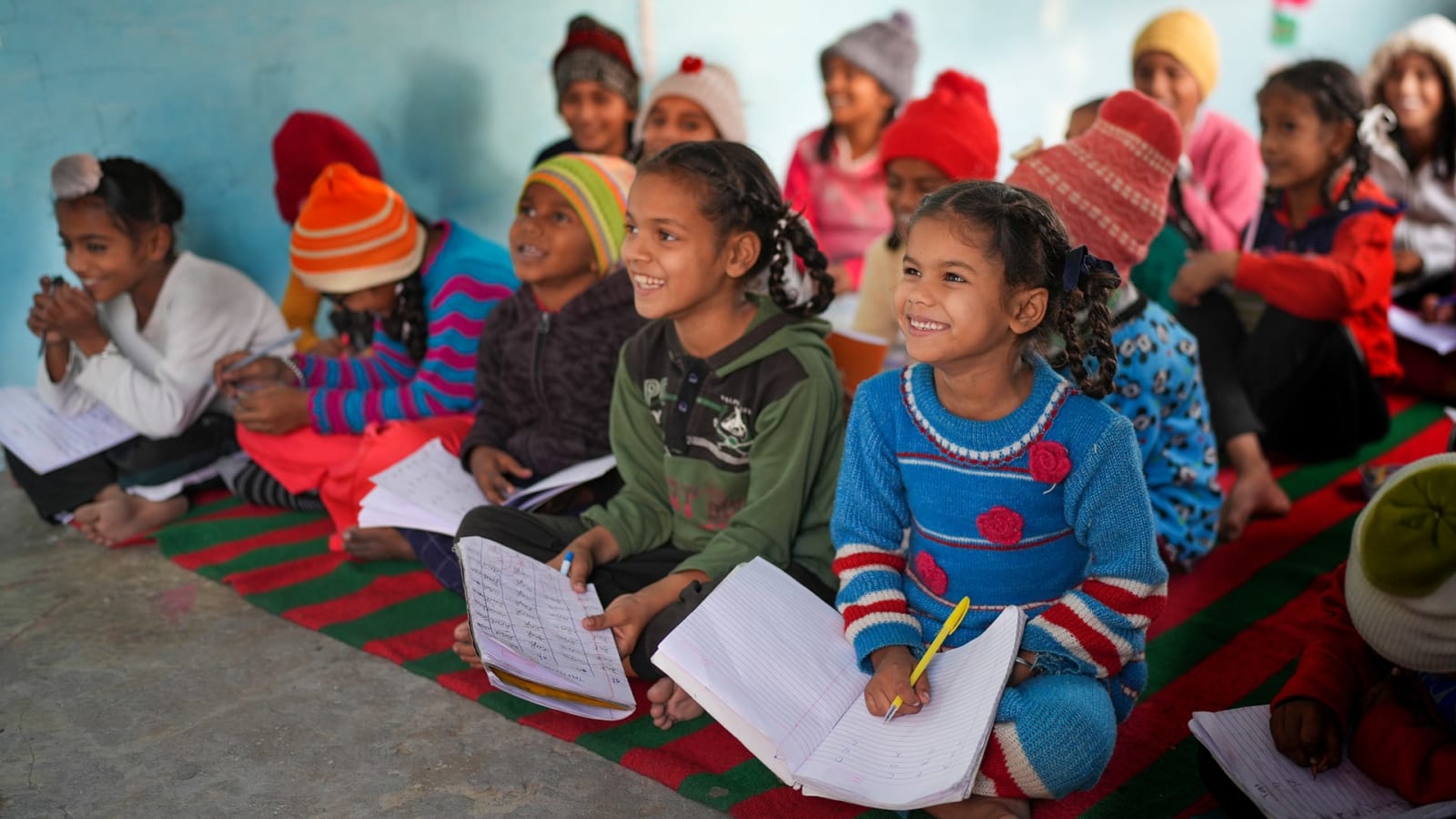
We are failing future generations not because we ask too much of them, but because we teach them to perform before they learn to be present.
We reward outcomes but ignore the inner world that makes those outcomes possible. We focus on behavior, scores, and standards but rarely ask: Is this student grounded in themselves? Can they regulate emotion? Can they focus their attention? Can they stand confidently in who they are?
I remember being that child: smart on paper but anxious inside. No one taught me how to breathe through fear. No one explained how to calm my mind when the pressure to perform felt unbearable.
Today, millions of kids and teens sit in classrooms with the same silent struggle. They know grades matter. But they don’t know what to do with stress, sadness, or self-doubt. In today’s world, those pressures are heavier. Children and teens carry invisible loads from digital overwhelm and the stress they absorb from adults.
We Teach Algebra but Not Attention
Schools prepare students for tests, but rarely for life. We push for grades and scores, yet ignore the skills that matter most for their future: resilience, focus, empathy.
If we can teach algebra, why can’t we teach attention? If we can assign essays, why can’t we assign joy?
Here’s a question worth asking: What would change if every classroom started the day with one minute of calm?
Wellbeing Is Not an Extra
We need to change how we think about learning: Wellbeing isn’t an add-on. It’s the foundation we have ignored for too long. We have designed schools to measure performance without teaching presence.
Imagine a classroom where a one-minute breathing exercise is as routine as roll call. Where students name their feelings as confidently as reciting multiplication tables. Where joy is not a reward for performance but a daily practice.
For kids, this can mean playful, age-appropriate habits like breathing games, mindful movement, or gratitude circles. For teens, it may look like guided breathwork before exams, reflective prompts to process identity, or movement practices to release anxiety. It also means developing the confidence to express themselves clearly, navigate social pressure, and trust their own voices.
Wholistic Wellbeing, a whole-person approach addressing every dimension of health, meets these needs by weaving simple, science-backed habits into the rhythm of the day. These habits help kids and teens regulate emotions, focus their minds, build confidence, and connect with others.
The Evidence is Overwhelming
The case for action could not be clearer:
- 42% of high school students report feeling persistently sad or hopeless.
- One in five children aged two to eight has received a mental health diagnosis.
- Half of all mental health conditions appear by age 14.
Making It Real: One Minute at a Time
The good news is that this does not require overhauling the school day. It takes just minutes to lay the foundation for focus, confidence, and emotional strength.
- Morning grounding: A teacher starts class with three deep breaths. The entire room settles.
- Gratitude journaling: Kids write three things they’re thankful for, which builds optimism and emotional strength in the process.
- Mindful breaks: Before tests or after recess, a short breathing or visualization practice calms nerves.
- Focus for teens: Adding reflective practices during advisory periods or mindfulness sessions helps teens manage stress from social media and academic pressure.
I’ve seen it work. One teacher told me: “Since adding a one-minute breathing break, my class settles faster and we actually save time on lessons.” Students say they feel calmer and more confident.
At Roundglass, we built programs for kids and teens that help schools integrate these wellbeing practices without disrupting the day. Our approach is rooted in prevention, not crisis response. The goal is to give students lifelong tools for focus, calm, and resilience.
When learning feels joyful, it sticks. Younger children respond naturally to practices that feel like play, including breathing games, mindful movement, or sharing-kindness circles. Teens appreciate having space to breathe and reflect in a world that rarely slows down for them. When we teach wellbeing early, it does not feel like work. It feels like life.
This is a Leadership Moment
The biggest barrier isn’t cost or complexity. It is the legacy mindset that treats wellbeing as optional. We have inherited an education system built on external achievement, not inner mastery.
We spend billions on curricula and facilities but hesitate to invest in the mind and heart of the student. We teach young people how to pass exams but not how to know themselves.
The future belongs to those who are self-aware, resilient, and emotionally agile. If we want to prepare students for that world, we need to begin with presence, not performance.
The Call to Action
If we can teach math, we can teach mindfulness. If we can assign homework, we can assign joy.
School leaders and policymakers: The future won’t be built by children who can only solve equations. It will be built by humans who can solve for self-awareness, empathy, confidence, and belonging.
So let me ask again: What would change if every student learned to pause, breathe, and connect before they learned to divide fractions?
Every child and every teen deserves Wholistic Wellbeing. Because the inner world of a student shapes the outer world of our future.
Lead From Wholeness.
This article is part of Sunny Singh's LinkedIn series on Wholistic Wellbeing.
About the Teacher
