What Ethical Wildlife Photography Demands of Us Now
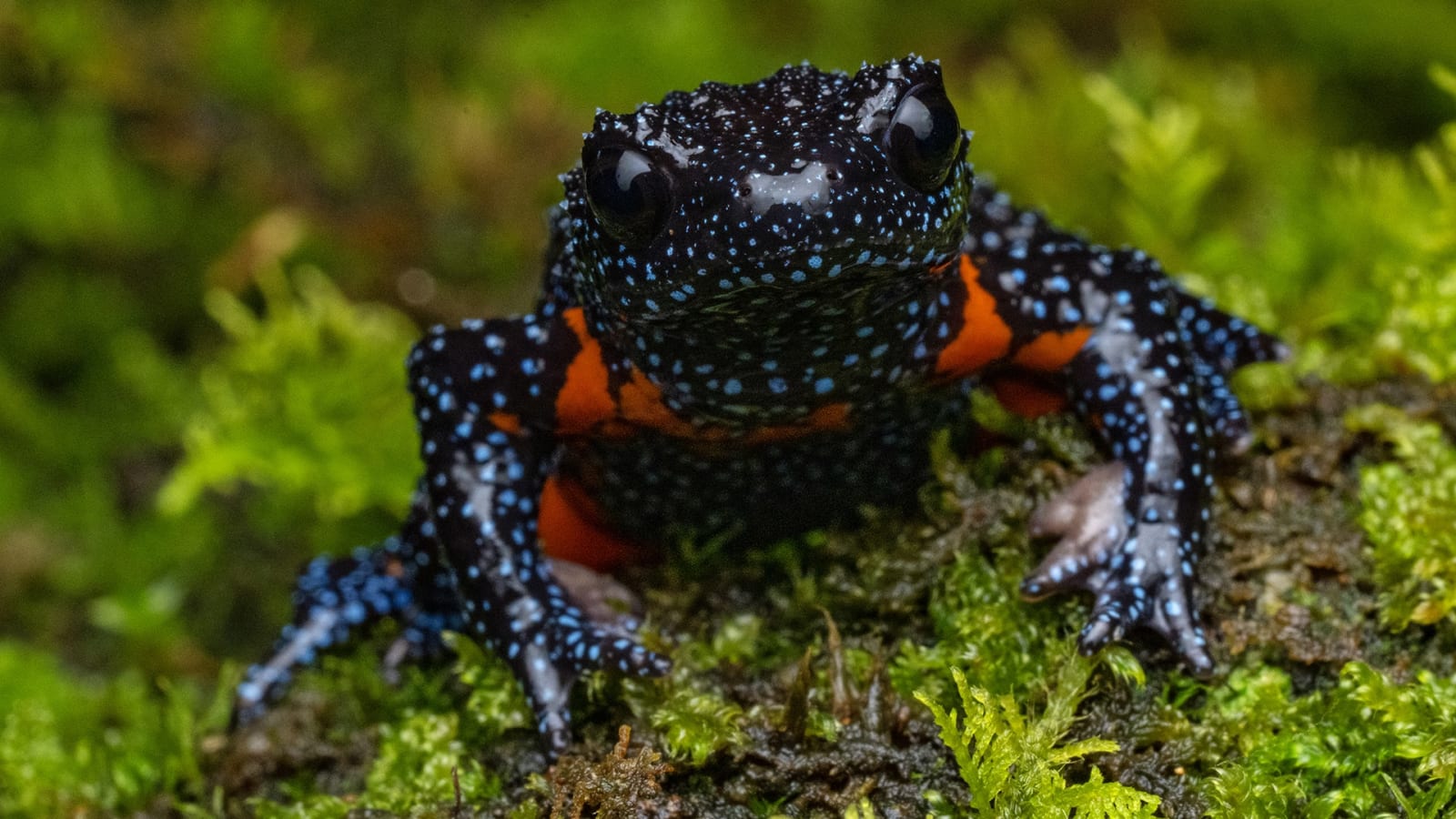
True leadership requires us to confront uncomfortable truths about unintentional impact.
Wildlife photography, at its best, reveals what we might otherwise overlook: the quiet intelligence of animals, the complexity of ecosystems, and the extraordinary moments unfolding far from our cities.
But a recent story our team at Roundglass Sustain surfaced from India forced us to confront a harder truth.
In the Western Ghats of Kerala, a rare and evolutionarily distinct amphibian known as the galaxy frog disappeared. These frogs relied on an extremely specific microhabitat.
The story makes clear that the frogs were pushed out by wildlife photographers. Their fragile ecosystem had been damaged; there were disturbed logs, compacted soil, and signs of repeated human handling.
Wildlife photographers, many of them well-intentioned, had searched for the perfect image. Frogs were lifted, repositioned, exposed to repeated flashes, and placed on visually striking backgrounds. Shelter was dismantled for access. Bodies were treated as subjects, not as lives.
This story exposes a pattern in both the natural world and the business world. We confuse visibility with care, attention with protection, and metrics with real meaning.
I see it everywhere. Whether it’s building communities, documenting wildlife, or designing health interventions, the same backward thinking appears. We optimize what's easiest to measure while overlooking what actually allows life to flourish: relationships, purpose, and space to exist without constant interference.
Ethical wildlife photography begins with restraint. No handling. No baiting. No flash. No habitat disturbance. Knowing when to lower the camera matters as much as knowing how to use it.
I bring this same point of view to my work in sustainability, community building, and personal wellbeing. None of these succeed through attention alone. They require judgment, humility, and the discipline to resist extracting value simply because we can.
If we want to protect what we love, we have to stop confusing attention with care. A missed photograph is not a failure if the ecosystem remains intact. And net profit doesn’t always equate to a win. True success means the subject of our attention can continue to flourish long after we've moved on, no matter what it is.
In the end, whether we are documenting wildlife or designing healthier lives, the question is the same: Are we creating visibility, or are we creating conditions for life to thrive?
Lead From Wholeness.
This article is part of Sunny Singh's LinkedIn series on Wholistic Wellbeing.
About the Teacher
