Visibility Builds Protection: Why India's Natural Habitats Need to Be Seen to Be Saved
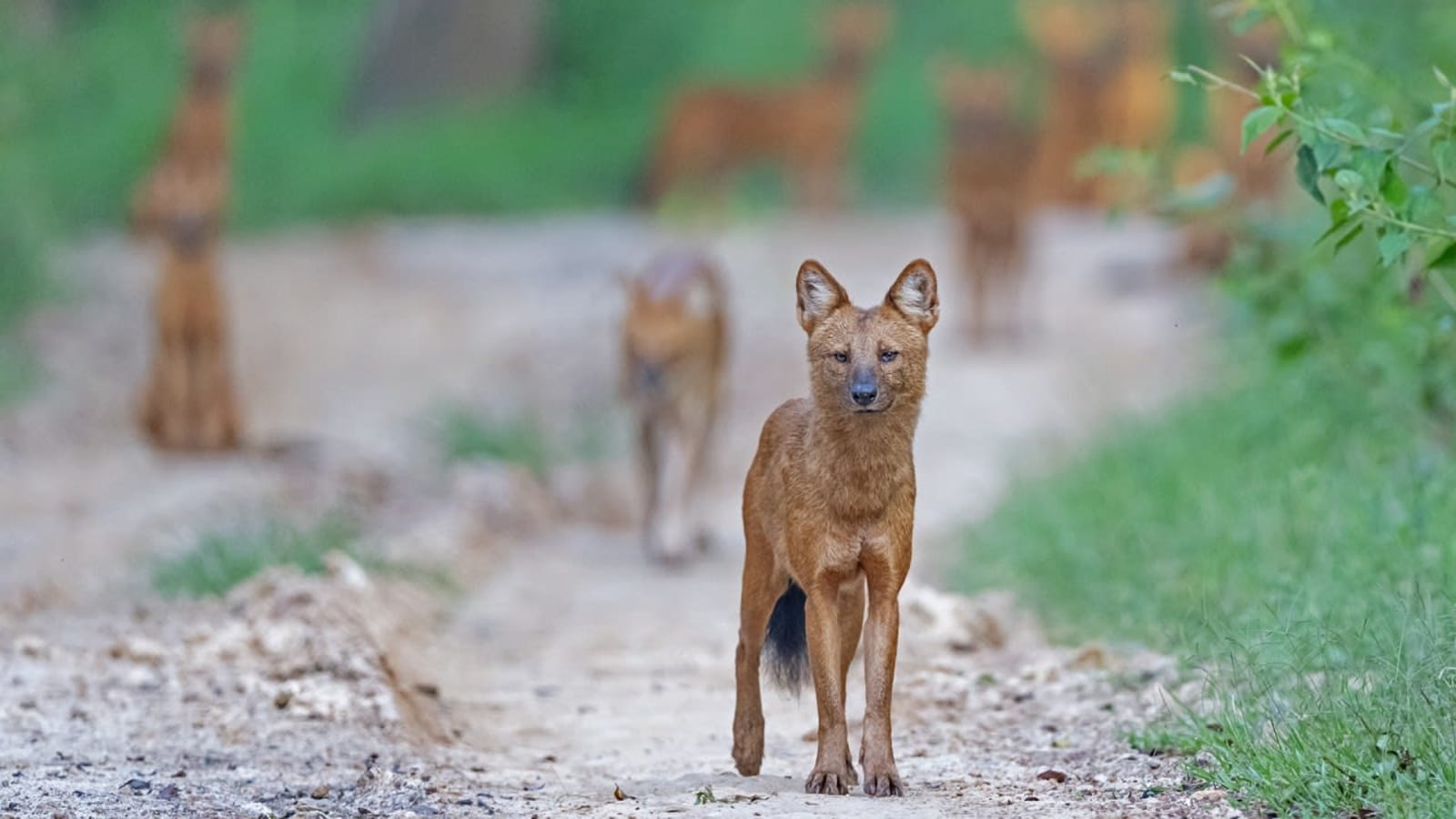
Several years ago, I learned that India is home to more than 100,000 known animal species. This number stuck with me, not because it was impressive but because it led me to ask, “What about the unknown species?”
These species aren't unknown because they're insignificant. They're unknown because they remain invisible, and in conservation, invisibility equals vulnerability. Things that aren't recognized, documented, or spoken about are far easier to neglect, exploit, or erase.
The team at Roundglass Sustain, our nonprofit initiative supporting awareness and conservation of India's natural world, does an excellent job of highlighting India's extraordinary ecological diversity. But there's much more work to do.
That work centers on building what I've come to understand as a biodiversity repository that functions as more than just a catalog, but as infrastructure for action. It enables governments to make informed policy decisions, allows researchers to collaborate across institutions, and helps communities understand and defend the economic and ecological value of their surroundings. It prevents species from disappearing quietly because no one was tracking them properly.
But here's what I've learned is the critical tension: Not all visibility protects.
There is visibility that saves: systematic documentation, ethical storytelling, and respectful research that builds understanding and support. And there is visibility that destroys: viral content that exposes fragile habitats to overtourism, social media posts that tag exact locations of rare species for poachers to find, and photography that prioritizes the perfect shot over ecosystem health.
At Roundglass Sustain, we are not arguing for exposure at any cost. We are arguing for intelligent, ethical visibility.
This distinction is essential. When something is visible in the right way, it can be examined, studied, and defended. When it's invisible, it can disappear quietly. And when it's exposed recklessly, it can be destroyed just as fast.
This understanding of strategic visibility runs through all our Roundglass Foundation initiatives. Our foundation creates model villages of sustainability that demonstrate how wellbeing can scale globally, supporting everything from women and children to infrastructure development. These projects require visibility that attracts resources and replication without turning communities into showcases. Our sports programs need visibility that elevates athletes and the sports themselves while protecting athlete wellbeing. In each case, the challenge is the same: How do you make something visible enough to matter without making it vulnerable to exploitation?
This insight drives everything we do at Roundglass Sustain: Visibility is not a by-product of conservation; it's a prerequisite for it. But that visibility must be strategic, respectful, and designed to build protection rather than enable exploitation.
At Roundglass Sustain, ethical documentation and storytelling are our core responsibility. Stories explain why these places matter, what is at stake, and what could soon be lost. Documentation ensures that what we see today can be acted on tomorrow. This intelligent visibility creates value, which invites protection.
Because ultimately, what we notice, we nurture; what we ignore, we lose.
Lead From Wholeness.
This article is part of Sunny Singh's LinkedIn series on Wholistic Wellbeing.
About the Teacher
