True Inclusion Starts with Curiosity, Not Compliance
Most conversations about diversity and inclusion stay stuck at the surface. We celebrate heritage months, track representation, and assume that putting different people in the same room will somehow create understanding. It rarely does.
Inclusion is not attendance. It is worldview.
I learned that by growing up on multiple continents. I was born in Punjab, India, raised in Delhi, spent part of my childhood in Ghana, returned to India, and eventually moved to the United States. Those moves did more than change my surroundings. They changed the way I saw the world. Every culture gave me a new operating system, complete with its own assumptions, strengths, and blind spots.
When you grow up between worlds, you stop romanticizing cultures. Instead, you start reading them. You learn that real inclusion is not the celebration of identity. It is the practice of curiosity. It is the ongoing willingness to understand the logic behind someone else's worldview, even when that logic feels unfamiliar.
Organizations want diversity without disruption. They want global teams that think locally. They want international relevance while protecting domestic defaults. This approach fails because it treats inclusion like an add-on instead of a fundamental systems upgrade.
The solution isn't more diversity programs. It's recognizing that inclusion is not a head count. It is a cognitive skill.
Inclusion shows up in the way teams shift cultural lenses depending on the moment.
Inclusion is knowing when speed accelerates progress and when it sets us up for more mistakes.
It is knowing when direct communication builds clarity and when it breaks trust.
It is knowing when individual brilliance elevates the group and when the group must guide the individual.
This is cultural intelligence in action. It improves decisions, not just optics.
The next generation will inherit complexity, not silos. They will navigate overlapping identities and cross-border challenges that make our current diversity frameworks look elementary. Cultural fluency won't be a nice-to-have. It will be a survival skill.
Festivals and food are not enough preparation for that. Subsequent generations need cognitive flexibility. They need environments where different worldviews meet, question one another, and teach something essential.
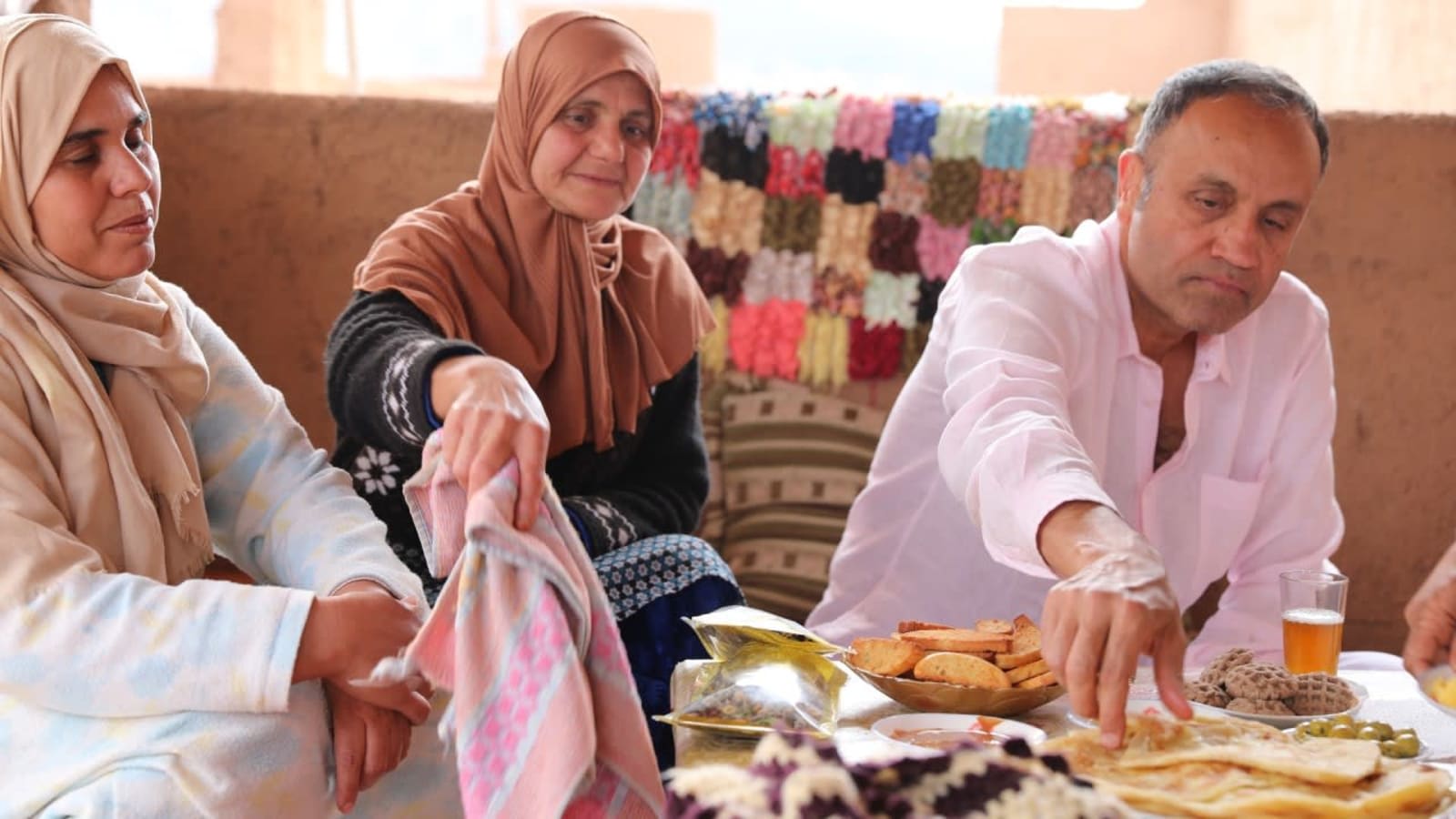
A shared meal can teach more about a culture than a textbook.
A collaborative project between students from different backgrounds exposes how quietly cultural rules influence leadership and communication.
A conversation about how families define success can reshape how a young person imagines their future.
These experiences are not extras. They are preparation for a global century.
True inclusion is a cognitive skill that requires more than training. Curiosity requires exposure.
This is why initiatives that create structured exposure to different worldviews matter. When leaders experience cultures directly rather than through headlines, their thinking expands. That kind of exposure cannot be downloaded. It must be lived.
When people experience complexity directly, they understand that cultures are not monoliths. They are dynamic systems speaking to one another. That complexity is the very thing that teaches global citizens how to navigate difference with nuance and respect.
Curiosity grows with proximity. And proximity must be intentional.
Integration is the real goal.
The future belongs to leaders who can integrate, not simply tolerate. Integration is the ability to hold multiple truths at once and use them to design better solutions.
When Western urgency meets Eastern patience, strategy becomes more resilient.
When individual creativity meets community-first values, innovation gains depth.
When linear planning meets cyclical thinking, solutions become sustainable.
Integration expands intelligence. It allows you to see more of the world because more of the world is shaping the way you think.
So where does inclusion truly begin?
With curiosity.
With humility.
With the courage to examine your own assumptions before critiquing someone else's.
Policy creates access. Systems thinking creates inclusion. Mindset is where the transformation begins, but integration is where it becomes sustainable long-term.
It shows up in the questions we ask, the generosity we bring to disagreement, and the moments when we allow our worldview to stretch. When we get this right, difference stops feeling like friction. It becomes fuel.
Cultural understanding is not the mastery of every tradition. It is the skill of learning from difference. This is why cultural agility is not a soft skill, but a survival skill.
Because at the end of the day, inclusion is not about attendance. It is about worldview. And worldview transformation begins with curiosity, not certainty.
Lead From Wholeness.
This article is part of Sunny Singh's LinkedIn series on Wholistic Wellbeing.
About the Teacher
