The Character Crisis in Modern Sports
What if we measured athletic greatness not just by what athletes achieve, but by who they become through their pursuit of excellence?
This question drives everything I do, born from a truth that took shape in my childhood home in India. Each evening, my father would return from hockey practice, and I would see the fresh cuts on his face. His teeth were chipped from countless collisions with sticks and flying balls. My father was a world-class hockey player, and these weren't just injuries. They were proof of his commitment.
While my father pushed toward physical excellence, my mother My mother demanded educational excellence with equal intensity. Academic excellence wasn't a choice for my sister and I.
I had two parents with two completely different approaches. And as I grew older, I recognized they were teaching me the same fundamental truth: character isn't built in a moment. It's forged through every practice, every setback, every choice to continue.
Today, we face a character crisis in modern sports that breaks my heart. Athletes perform at peak levels we've never witnessed, running faster, jumping higher, pushing the boundaries of human capability. Yet there's a troubling reality underneath this physical brilliance. I've watched phenomenal players achieve their wildest dreams, only to discover their minds couldn't handle what their bodies had accomplished. The internal foundation couldn't support the external success.
Every sports academy has a gym. Few have a place to build mental muscle. We invest millions perfecting outer plays while neglecting the inner game. The truth is, the inner game doesn't just support outer plays: it creates them.
Elite athletes aren't the only ones affected. Across the spectrum, young people burn out or abandon their potential too early. They lack access to the kind of wholistic training that builds not only muscle, but resilience that lasts a lifetime.
This crisis goes beyond disappointing. It's dangerous. When we prioritize winning without psychological wellbeing, we fail both our athletes and the millions of young people who look up to them, who learn that success means sacrificing your inner world for external achievement.
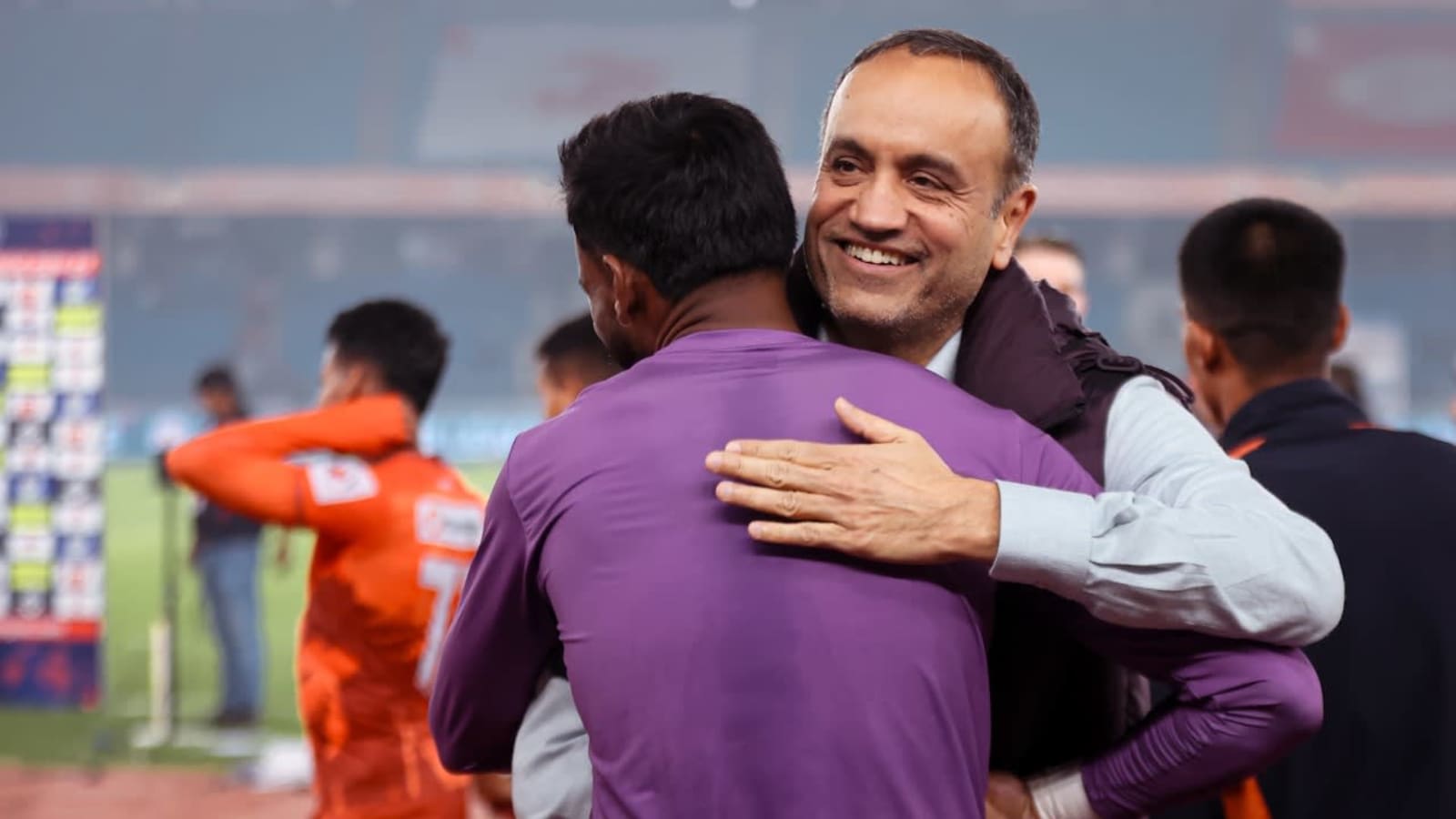
At Punjab FC, we're proving that another path exists. We don't treat mental training as supplementary to physical training. We treat them as inseparable aspects of the same game. Our players practice mindfulness with the same dedication they bring to technical drills. They develop emotional regulation as intensively as they study game strategy. This becomes the foundation of their development, not an add-on.
The transformation is profound. These athletes don't just perform under pressure; they find clarity within chaos. Their mental resilience mirrors their physical capability, creating internal strength that becomes their greatest competitive advantage. But here's what moves me most: these skills don't stay on the field. They carry into classrooms, relationships, and every corner of life where character matters.
This wholistic approach works even more powerfully through our Rounglass Foundation Sports Centers across rural Punjab. Here, the work reveals its truest purpose. We focus on football and volleyball, but we're really cultivating something deeper: young people who understand that strength comes not just from what you can do with your body, but from who you choose to become. Our 1 Girl 1 Football program empowers girls to play and lead, creating waves of confidence, inclusion, and resilience that transform entire communities.
This is our blueprint for social change. We test these ideas in one place, prove they work, then scale them everywhere. Each Sports Center becomes a laboratory for human potential, demonstrating that when you train the whole person, you create better human beings who happen to be exceptional athletes.
The future of athletics demands this integration. Inner training must evolve alongside physical training. This means developing emotional intelligence with the same precision we apply to technical skills. It means teaching athletes to see themselves and others not as obstacles to overcome, but as complex human beings deserving of respect, understanding, and curiosity.
This model works. It scales. And it directly addresses the character crisis we're witnessing across all levels of sport. At Punjab FC and across our Sports Centers, we develop whole human beings who happen to excel in sports, who carry their character as a strength that transforms everything they touch.
When we make this shift, sport transforms from a performance treadmill into a leadership school. The question becomes not "How fast can you run?" but "Who do you become when everything is on the line?" True athletic greatness gets measured by the person who walks away from the field, knowing that every practice, every setback, every victory has built something unbreakable inside them, not just the trophies they collect.
Lead From Wholeness.
This article is part of Sunny Singh's LinkedIn series on Wholistic Wellbeing.
About the Teacher
