The Boring Advantage That Beats Disruption Every Time
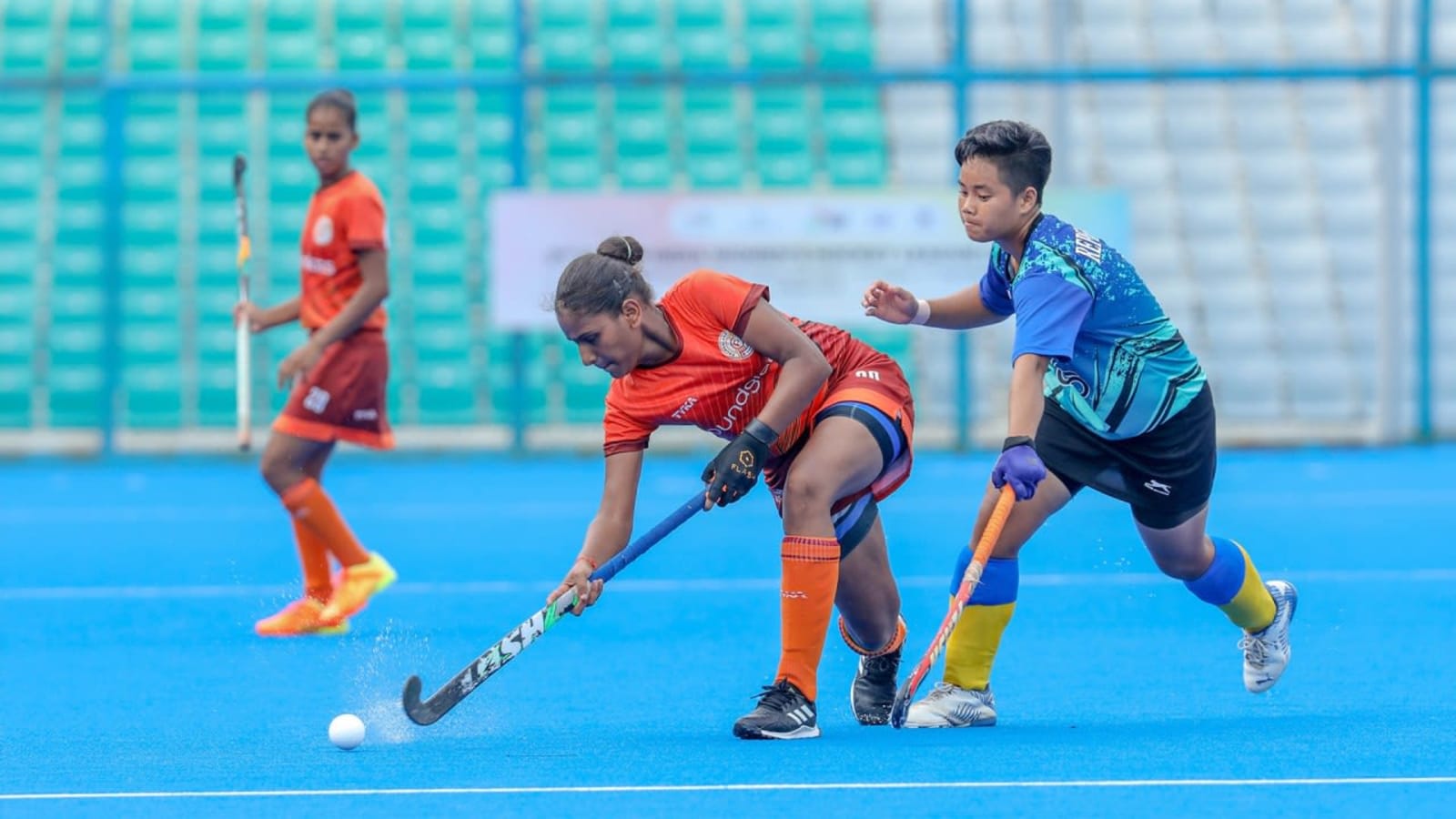
While Silicon Valley celebrates "move fast and break things," the world's most dominant hockey programs do the opposite. They move deliberately and fix nothing.
Visit any elite hockey academy and you'll witness something that looks almost mundane. The same drills run year after year. Coaches teach identical principles their predecessors taught. When championship pressure peaks, players don't innovate. They execute the patterns drilled into them through countless repetitions.
This steadiness appears unremarkable until you realize it's nearly impossible to replicate.
At Roundglass Hockey Academy, we discovered this organically. While rival programs chased headline-grabbing signings and revolutionary training methods, we made the decidedly unglamorous choice to build around continuity. Same coaching philosophy. Consistent development pathways. Boring, steady expectations.
Three years later, that "boring" foundation became our secret weapon.
Players arriving from other programs needed months just to understand our language. They'd been trained to adapt to new systems every season. That sounds valuable until you realize it prevents anyone from achieving real mastery. Our players, meanwhile, operated with an intuitive understanding that comes only from years within the same framework.
The business world has the opposite problem. Every quarterly earnings call promises transformation. Every leadership change brings reorganization. Teams barely finish learning one system before the next "strategic pivot" arrives.
Here's what I've seen play out:
The Disruption Trap: A technology company I know had reorganized four times in three years. Each restructuring promised efficiency gains. Each reset required months of relearning relationships, processes, and priorities. Talented people left, citing "transformation fatigue." The company got really good at changing but never achieved the actual benefits.
The Continuity Advantage: Toyota's production system hasn't fundamentally changed in decades. Instead of revolutionary leaps, they make thousands of small improvements within the same framework. This patient approach created manufacturing advantages that competitors spend billions trying to copy. Usually unsuccessfully, because they lack the institutional knowledge built through years of consistent practice.
The paradox is striking. In an era obsessed with disruption, the sustainable advantage belongs to organizations that resist constant change.
This isn't about avoiding innovation. It's about protecting the foundations that make innovation possible.
The sports analogy works perfectly here. Championship teams don't rebuild their playbook every season. They perfect it. New players learn the system. The system doesn't adapt to every new player.
Yet most organizations operate backward. They rebuild around each new hire, pivot with each market shift, and restructure around each leadership change. The result? They become extremely good at adapting but never excellent at executing.
Building this kind of continuity requires uncomfortable discipline:
Stop rewarding constant change. Leadership cultures that celebrate transformation over execution train people to solve problems by starting over rather than improving what exists.
Invest in depth over breadth. Master one approach rather than sampling many. The compound returns from repetition within a system vastly exceed the returns from jumping between systems.
Protect what you've learned. Every reset erases hard-won knowledge. Organizations that endure treat their accumulated wisdom as their most valuable asset.
The hockey academy taught me something counterintuitive about competitive advantage. The moves your rivals can't copy aren't usually the flashy innovations. They're the boring, patient investments that create something valuable only over time.
While competitors chase the next disruption, stable organizations are building something much harder to replicate. Trust, expertise, and systematic excellence that compounds year after year.
In a world addicted to dramatic change, doing the same thing better might be the most radical strategy of all.
Lead From Wholeness.
This article is part of Sunny Singh's LinkedIn series on Wholistic Wellbeing.
About the Teacher
