From Talent to Systems: Rethinking Tennis in India
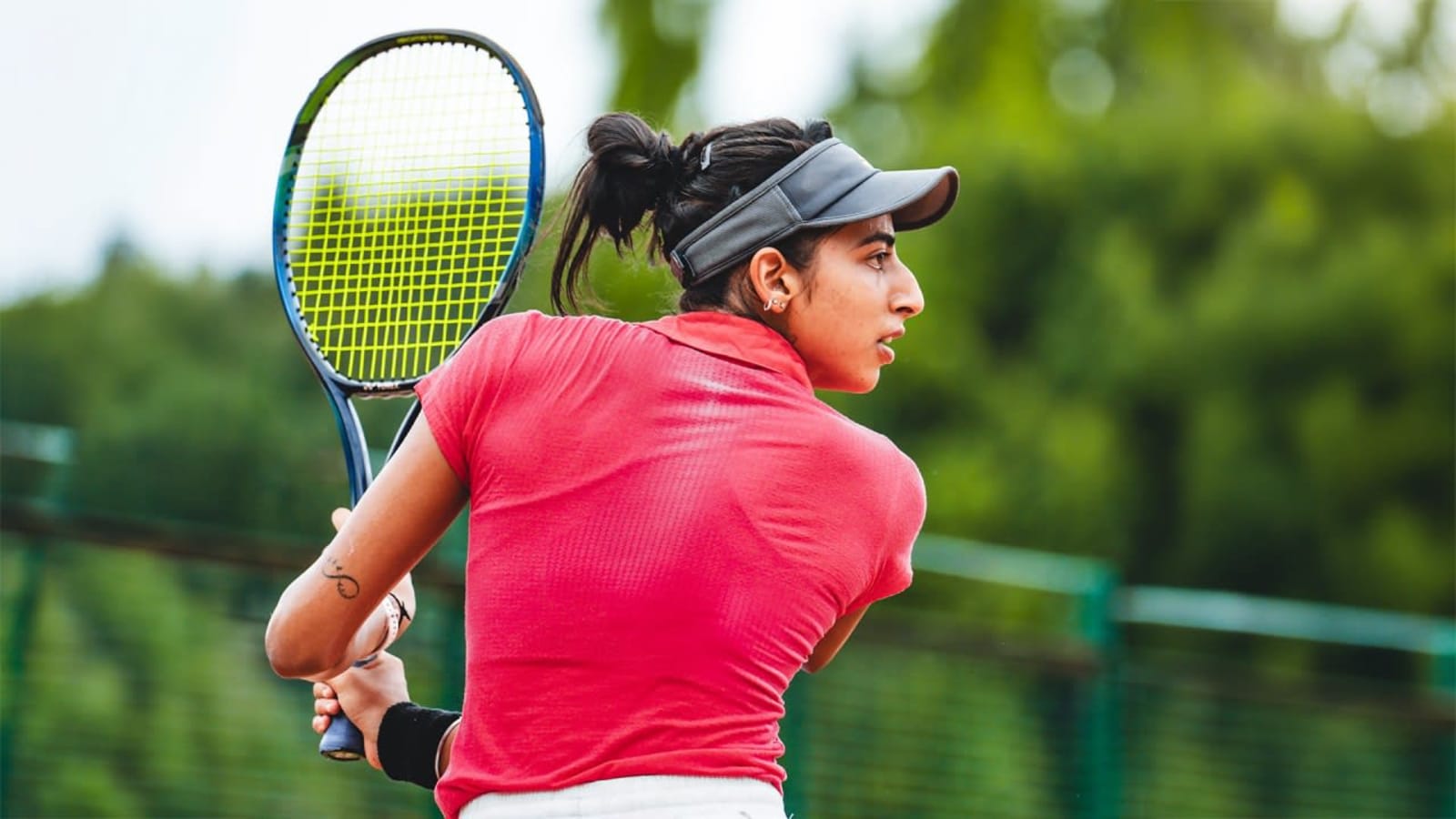
Tennis in India has always had a strong forehand: powerful, visible, and celebrated; Leander Paes, Mahesh Bhupathi, and Sania Mirza.
We have produced players who could change a match with a single brilliant shot. What we have undertrained is the backhand.
The backhand is the stroke you rely on when you are off balance, when the rally stretches, and when the point does not end quickly. It is not glamorous; it does not trend. But it is what decides who lasts.
Watch any Grand Slam final closely, not the highlights but the long rallies, and the difference becomes clear. Champions are not separated by spectacular winners. They are separated by patience, recovery, and the ability to stay in the point when natural brilliance is not enough.
For tennis in India, that backhand is the system that keeps players in the game.
It is infrastructure: coaching continuity; a steady competitive ladder; transitions that do not drop athletes between the ages of 15 and 20; mental conditioning that begins early, not after burnout; support teams that exist before the spotlight arrives.
In athletics, the countries that sustain excellence do not rely on talent alone. Spain, France, Italy. They build environments that protect athletes when form dips, injuries surface, or confidence wavers. They invest in what endures, not just what dazzles.
At Roundglass, we have learned to think this way across wellbeing and sports: depth over display; long arcs over quick wins; creating conditions that allow people to stay in the game physically, mentally, and emotionally, especially on the days when no one is watching.
I have stopped asking how quickly we can produce the next champion. I ask how many young players we can help remain athletes at 17, at 19, at 22, and beyond.
Because the most important work in sports rarely happens under stadium lights. It happens on community courts and municipal grounds that endure year after year without notice.
That is where resilience is formed, where integrity becomes habit, and where the future is shaped slowly but sustainably.
This is not idealism. It is pattern recognition.
The nations that win consistently do not have better talent. They have better backhands, better second serves, and better systems for the long rally.
India’s tennis story does not need another forehand winner. It needs thousands more players who can stay in the game with their backhand.
That is the shot worth practicing.
Lead From Wholeness.
This article is part of Sunny Singh's LinkedIn series on Wholistic Wellbeing.
About the Teacher
