Dandelion
Other names:
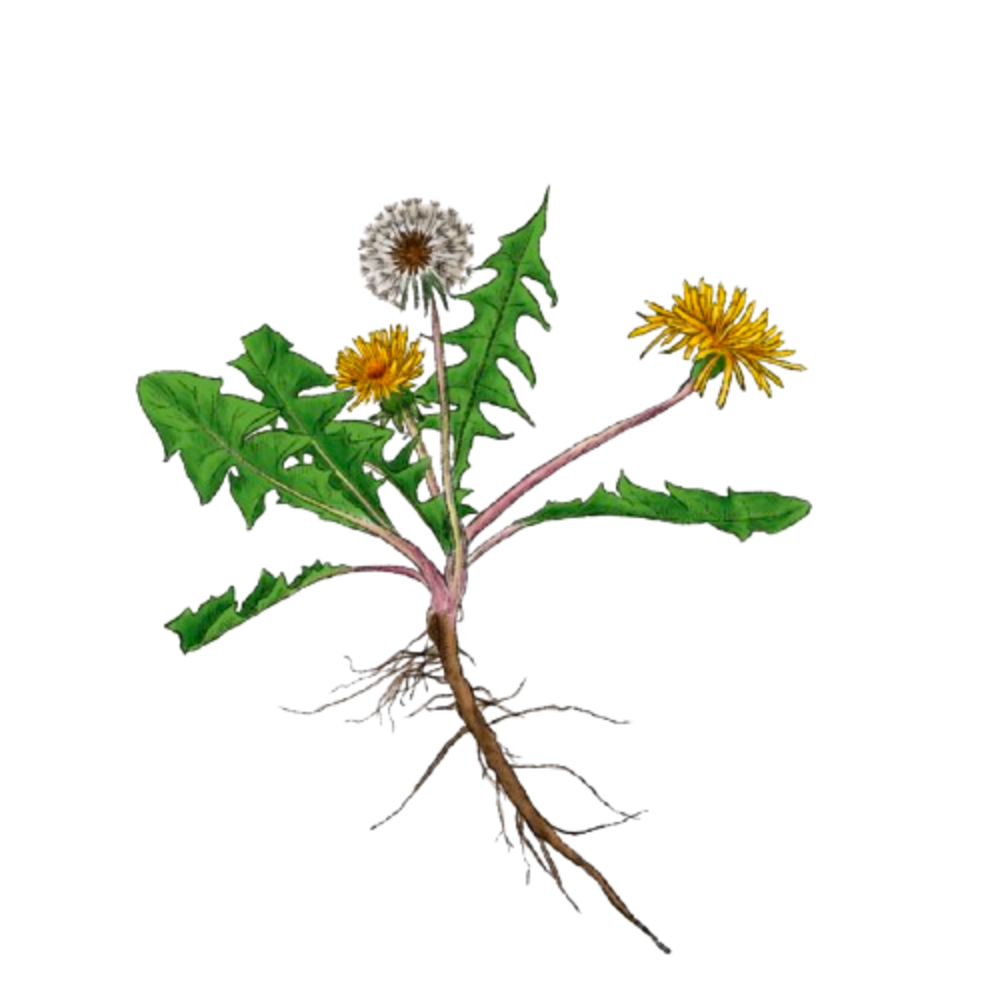
Dandelions are yellow-flowered plants that many people consider weeds, but in traditional medicine and food cultures, they are celebrated as powerful herbs. The name “dandelion” comes from the French dent de lion (lion’s tooth), referring to its jagged leaves. In France, it’s also known as pissenlit (wet the bed), a nod to its natural diuretic effect. From root to flower, every part of the plant is edible.
Why It’s Good for You
Provides antioxidant protection. The flowers, leaves, and roots contain beta-carotene, flavonoids, and polyphenols, which help protect cells from oxidative stress and calm inflammation.
Supports digestive health. Dandelion root has long been used as a traditional digestive tonic. It contains inulin, a prebiotic fiber that nourishes gut bacteria and supports smoother digestion.
Promotes detoxification. In traditional Chinese medicine (TCM) and European folk remedies, dandelion has been valued as a cleansing herb. Its natural diuretic properties help flush waste from the body. Modern research shows that compounds in the leaves support healthy kidney and liver function.
Offers essential vitamins and minerals. Dandelion greens are packed with calcium, iron, zinc, and potassium, along with vitamins A, C, and K and several B vitamins. This makes the greens a nutrient-dense addition to everyday meals.
Flavor Profile
Dandelion greens have a bitter, peppery taste, similar to chicory, radicchio, or endive. Young leaves are tender and mild enough to eat raw, while older leaves develop a stronger bite that benefits from bold pairings like garlic or vinegar. The roots are earthy and slightly bitter, reminiscent of burdock. The flowers have a light, nectar-like sweetness with faint notes of summer squash, softening the plant’s natural bitterness.
How to Use It
Eat the greens. Use young leaves raw in salads. Or sauté, steam, or ferment mature leaves to balance their bitterness.
Steep the flowers. Add to teas, syrups, or infusions.
Fry the flowers. Make fritters and serve with honey and lemon for a classic springtime treat enjoyed in rural France and parts of Eastern Europe.
Use the root. Roast, grind, and brew for a caffeine-free coffee alternative, similar to chicory.
Make it savory. Pair greens with garlic, smoked cheese, or chile in gratins. Or add to stews, soups, or a quick kimchi.
3 Ways to Add It to Your Wellbeing Routine
For digestion. Brew danelion root tea (1 to 2 teaspoons dried root per cup) to ease bloating and support gut health.
For gentle daily detox. Add a handful of greens to smoothies or sauté with garlic and olive oil to gently support liver and kidney function.
For inflammation support. Steep 2 to 3 fresh flowers in hot water for a soothing, antioxidant-rich tea.
Where to Find It and How to Store It
You could probably get all the dandelions you need by taking a stroll through your neighborhood. Dandelions grow almost everywhere in temperate climates and are best harvested in early spring when the leaves are young and tender. For a safer option, look for the heirloom variety called Garnet Stem at farmers’ markets or in better-stocked produce aisles near chicories and other unusual greens. Wrap fresh leaves in a paper towel and store in the fridge for up to 5 days. Roots can be dried and stored for months to make tea or coffee.
Did You Know?
In European traditions, the first young leaves of spring were valued as a seasonal cleanse, while in late spring, golden flowers were often gathered to make a light, sweet wine that was saved for autumn and winter. Traditionally enjoyed by women as a gentle digestive, dandelion wine found fame in 1957 when Ray Bradbury popularized it in American culture with his novel Dandelion Wine. Recipes for the wine are still easy to find today.
More on Move Mindfully